


Financing the fight against climate change remains one of the biggest challenges, with disputes persisting over who should pay, how much money is needed and how developing countries can access it.
These questions will be central to COP31, the UN climate summit opening in Antalya, Turkey on Monday.
WHAT IS EXPECTED OF COP31 IN ANTALYA?
Developing countries are expected to demand simpler, faster access to climate finance, which is currently spread across a complex maze of funds, institutions, and mechanisms
They are also likely to press for guarantees that the $300 billion annual target for 2035 will be met
Developing nations will also press for more grants and low-cost loans for adaptation, and measures to attract private investment
WHAT IS CLIMATE FINANCE?
Climate finance refers to money intended to combat climate change and address its consequences
There is no universally accepted definition of what qualifies as climate finance. A loan to a low-income country may be counted as climate finance even if it must be repaid at market interest rates
Mitigation, adaptation and loss and damage are the three main areas of climate finance, each addressing a different aspect of the climate crisis
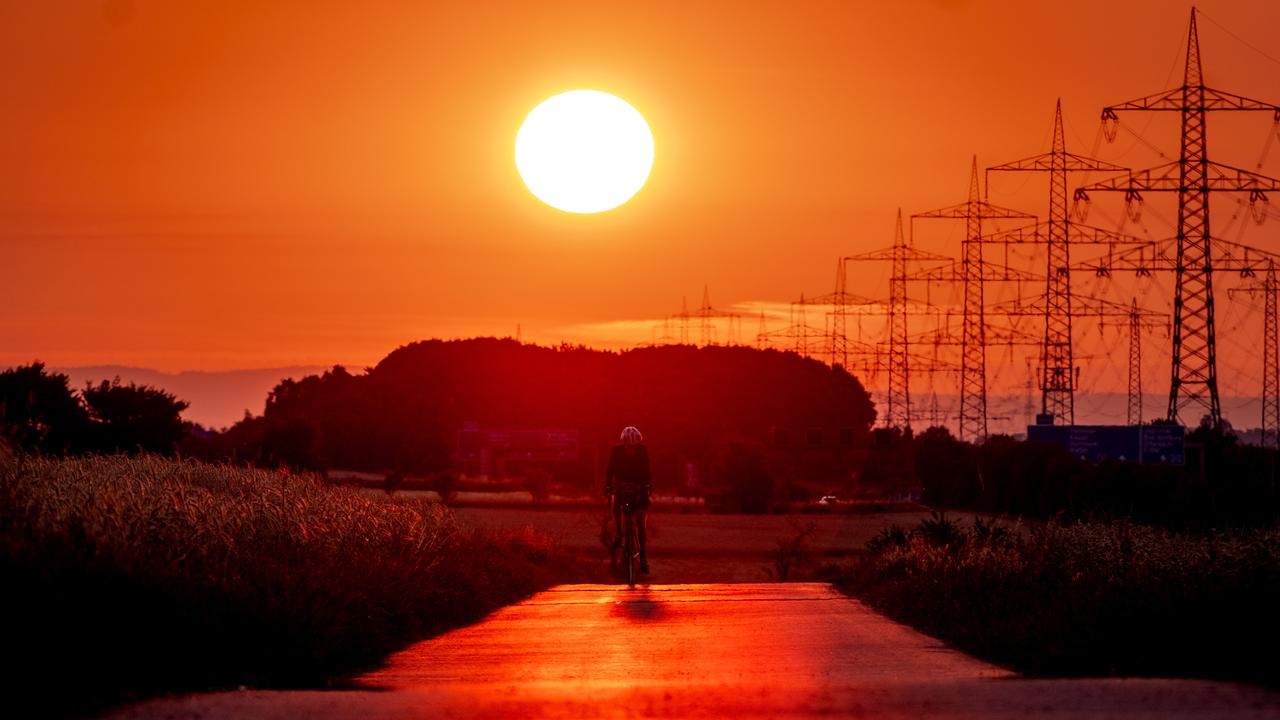
Mitigation aims to reduce the greenhouse gas emissions that cause global warming
Adaptation involves investment to cope with the effects of a changing climate, such as flood defences, drought-resistant crops or air conditioning systems in hospitals to protect patients during heatwaves
HOW MUCH MONEY HAVE RICH COUNTRIES PLEDGED?
The history of climate finance can be summed up in three figures: $US100 billion, $US300 billion and $US1.3 trillion
In 2009, developed countries pledged to mobilise $US100 billion a year by 2020 to support developing economies. The target was first met in 2022
At COP29 in Baku in 2024, countries agreed to raise the annual climate-finance target to $US300 billion by 2035
The Paris Agreement requires developed countries to provide financial support to developing nations
However, industrialised economies want to broaden the pool of contributors to include countries such as China and the oil-producing monarchies of the Persian Gulf
Another point of contention is the form that funding takes
According to OECD data, around two-thirds of public climate finance in 2024 was provided as loans, although not all countries can afford to take on more debt
HOW MUCH MONEY HAS BEEN PROVIDED?
According to the OECD, developed countries mobilised nearly $US137 billion in climate finance in 2024, the latest year for which complete data are available
Most of the funding goes towards reducing emissions, while adaptation receives a smaller share because it generally offers lower financial returns
According to the UN, developing countries will need up to $US365 billion a year for adaptation by 2035
This compares with just $US26 billion in international public finance received in 2023, $US2 billion less than in 2022
WHAT ABOUT LOSS AND DAMAGE?
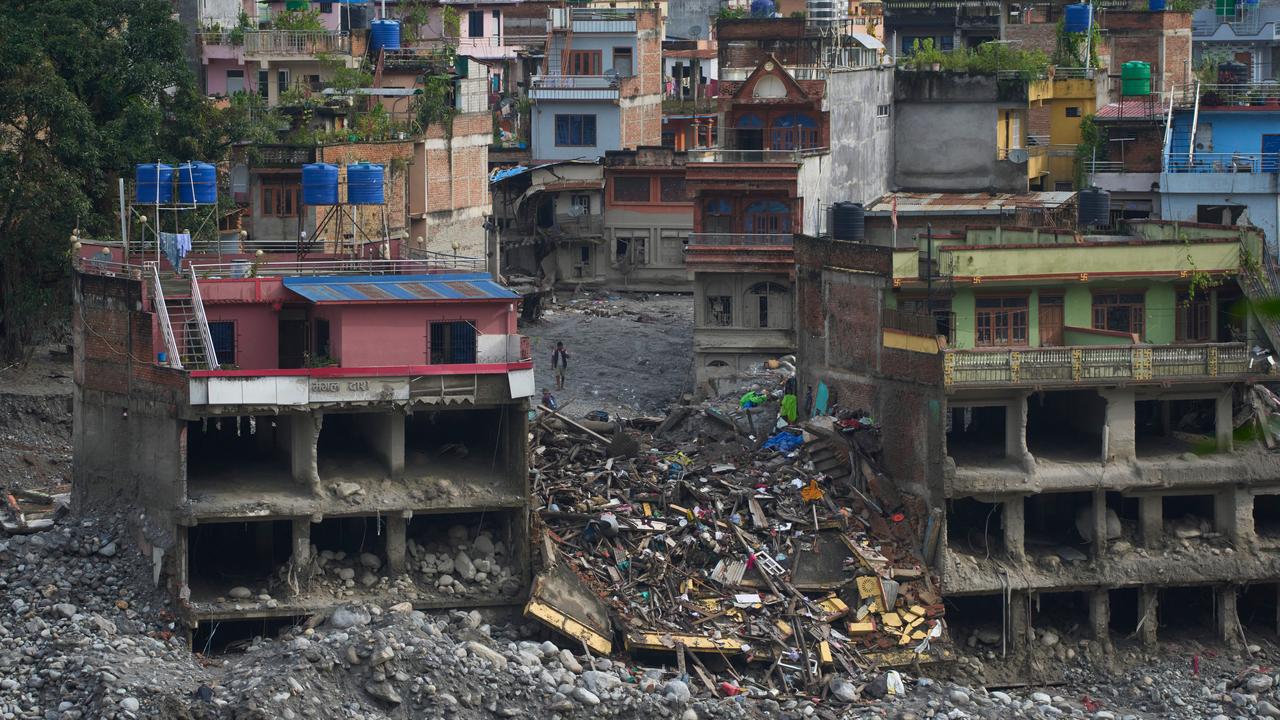
After decades of demands from the most climate-vulnerable countries, COP27 in Egypt agreed in 2022 to establish a fund to address damage caused by climate change
Contributions to the fund remain voluntary
As of March 2026, the fund had received pledges totalling around $US822 million, a modest amount compared with the scale of the needs
In October, it approved an initial allocation of nearly $US22 million for Nepal following devastating floods in August that left around 1500 people dead. The money has yet to be disbursed
